
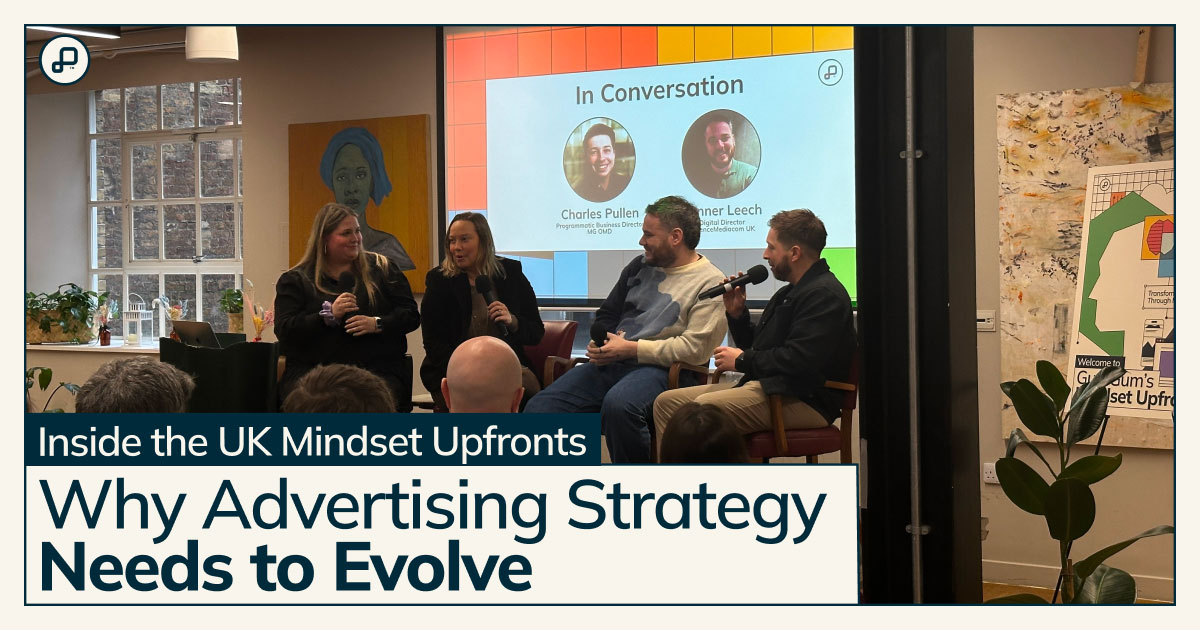


Our third annual UK Mindset Upfronts brought together marketers, agency leaders, and industry experts to examine how advertising strategy is adapting to a more complex media landscape.
Traditional planning signals are losing precision as media consumption becomes more contextual, fragmented, and emotionally driven. Demographics and behavioral segments still provide useful direction, but they often fall short in explaining why audiences engage with content in a given moment.
Across the conversations, one idea surfaced repeatedly: mindset is becoming a critical way for advertisers to understand when audiences are truly receptive.
From psychology to media strategy to real campaign execution, several themes emerged that point to how advertising planning is beginning to evolve.
Mindset Helps Advertisers Identify the Moments That Matter
For years, audience planning has relied heavily on demographics and predefined segments. While those inputs still provide structure, they rarely capture the situational and emotional factors that shape how people approach media.
During the Mindset Psychology session, Lea Karam, Founder and CEO of Mindscope, emphasized that audiences do not approach media with a fixed mindset throughout the day. The context surrounding the viewing experience plays a major role in shaping how people engage with content.
As she explained, people move between different mental states depending on what they are doing and why they chose to watch.
A viewer’s mindset can shift based on simple but meaningful conditions, such as:
- Why they decided to watch
- Who they are watching with
- Whether they are actively focused or casually browsing
These conditions influence attention, receptivity, and how advertising is interpreted in the moment.
Recognizing these shifts gives advertisers a clearer way to identify when attention is most valuable, not just who the audience is.
{{cta-1}}
Video Strategy Is Becoming More Deliberate
Connected television (CTV) was a recurring theme throughout the conversations.
While reach remains a foundational objective, many marketers are paying closer attention to the experience surrounding their placements.
During the Mindset Advantage discussion, Pete Wallace, General Manager for EMEA & JAPAC, noted that the challenge facing advertisers is not simply reaching audiences in streaming environments but identifying the right moments to connect with them.
CTV continues to grow rapidly, but many advertisers are still looking for ways to deliver more relevant and intentional viewing experiences, making when and where ads appear more important than ever
Several common challenges surfaced repeatedly during the discussion:
- Overexposure that leads to ad fatigue
- Poor timing that disrupts the viewing experience
- Disconnected placements that feel out of sync with content
Rather than inserting ads wherever inventory is available, many teams are beginning to design video strategies around environments where engagement is already established.
This shift reflects a move toward intentional presence, where timing and context play a greater role in campaign effectiveness.
Creative Must Reflect the Viewing Environment
Creative strategy must increasingly reflect the environment in which advertising appears.
Streaming platforms have introduced viewing behaviors that differ significantly from traditional television. Audiences move fluidly between devices, pause content, browse menus, and watch in a variety of social settings.
Each of these situations creates a different level of attention and engagement.
During the Mindset Validation panel, Charles Parry, Programmatic Business Director at MG OMD, noted that understanding the conditions surrounding media consumption can help advertisers design campaigns that align more naturally with the viewing experience.
When creative reflects how audiences are watching, what they are watching, and the situation surrounding the viewing moment, it integrates more seamlessly with the content itself.
As viewing environments evolve, creative strategy will need to evolve alongside them.
Why Industry Leaders Are Leaning Into Mindset
Mindset also surfaced as a practical planning lens across perspectives shared by agency leaders and industry partners.
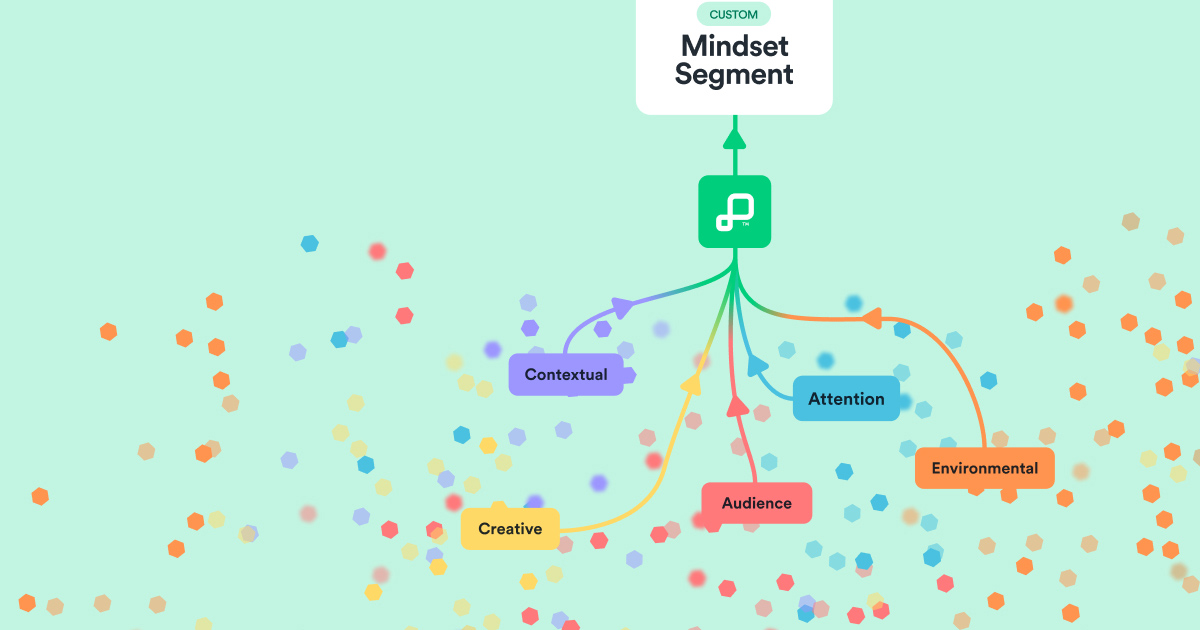
Rather than relying solely on static audience definitions, planning teams are beginning to incorporate signals such as the context of the content, the conditions surrounding how it is viewed, and the broader factors shaping the viewer’s experience in that moment.
These inputs provide a more complete understanding of how audiences approach media.
Understanding mindset offers advertisers a clearer way to align campaigns with the moments when audiences are most receptive.
GumGum helps brands activate against these signals, enabling advertisers to show up across CTV, video, and digital environments when audience receptivity is highest.
{{cta-2}}